JEE 2025 · Electrostatics
JEEPhysicsElectrostatics2025
A read-only public preview of this previous-year question set.
7 of 36 questions
You're seeing 7 of 36 questions. Answers and worked solutions are in the free app, with every question in this set.
Question 1
Single-correct MCQAn electron enters horizontally midway between opposite parallel plates each 10 cm long. Its exit horizontal velocity component is m/s. The uniform field magnitude is 9.1 V/cm. Find its exit vertical speed, with kg and C.Question 2
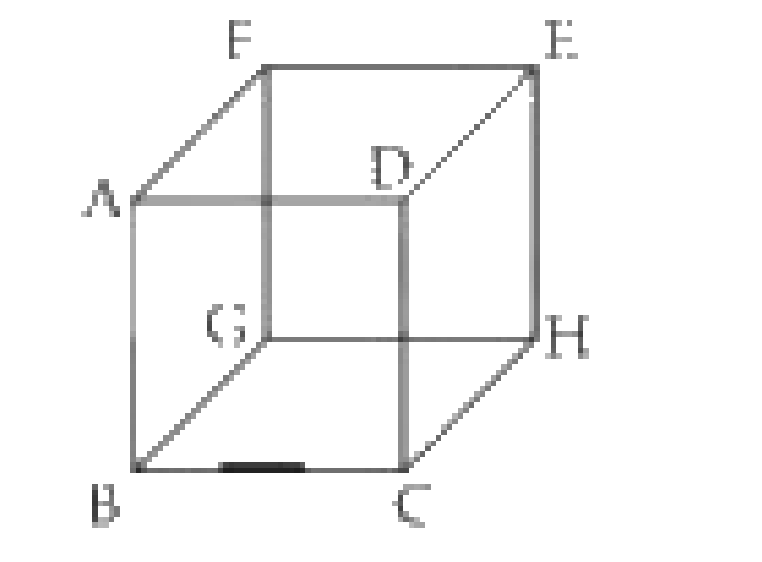
Single-correct MCQA uniformly charged line segment of length a/2 and density is centred along edge BC of a cube of side a, as shown. Under the usual symmetric boundary convention, find the total flux through the cube faces.Question 3
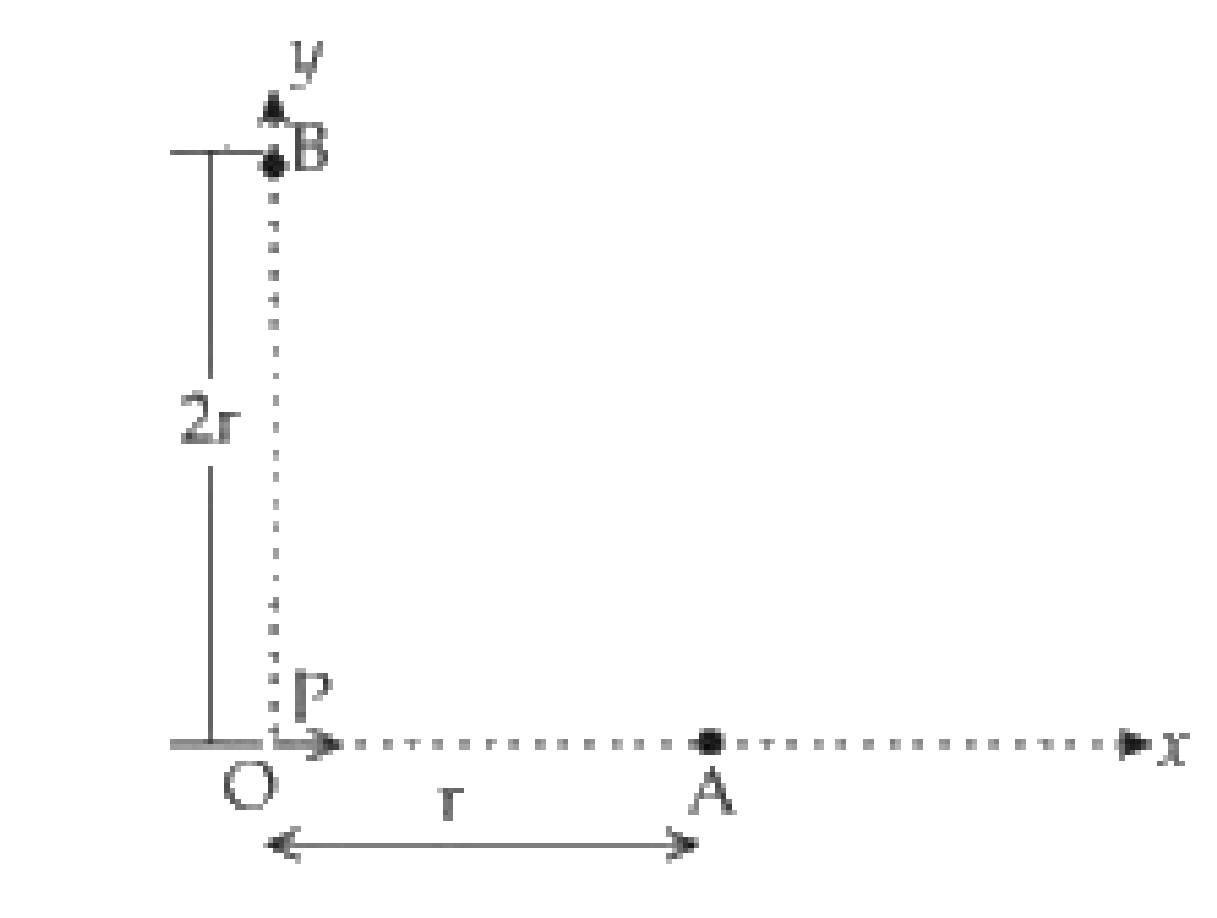
Single-correct MCQA short dipole at O points along positive x. At axial point A distance r its potential and field magnitude are . Find the potential and field magnitude at B on positive y at distance 2r, as shown.Question 4
NumericalPositive and negative ions A,B have charge magnitudes C and C and masses kg and kg. At any separation, their electric-to-gravitational force-magnitude ratio is . Find 10P, using SI and SI. Assume the stated charges need not be integral multiples of elementary charge.Question 5
Single-correct MCQCharges and are at cm and cm. Find the configuration potential energy, taking SI and zero at infinite separation.Question 6
Single-correct MCQCharges at cm and cm form a rigid dipole in a uniform field N/C. Find the external work to rotate it from stable equilibrium through 180 degrees.Question 7
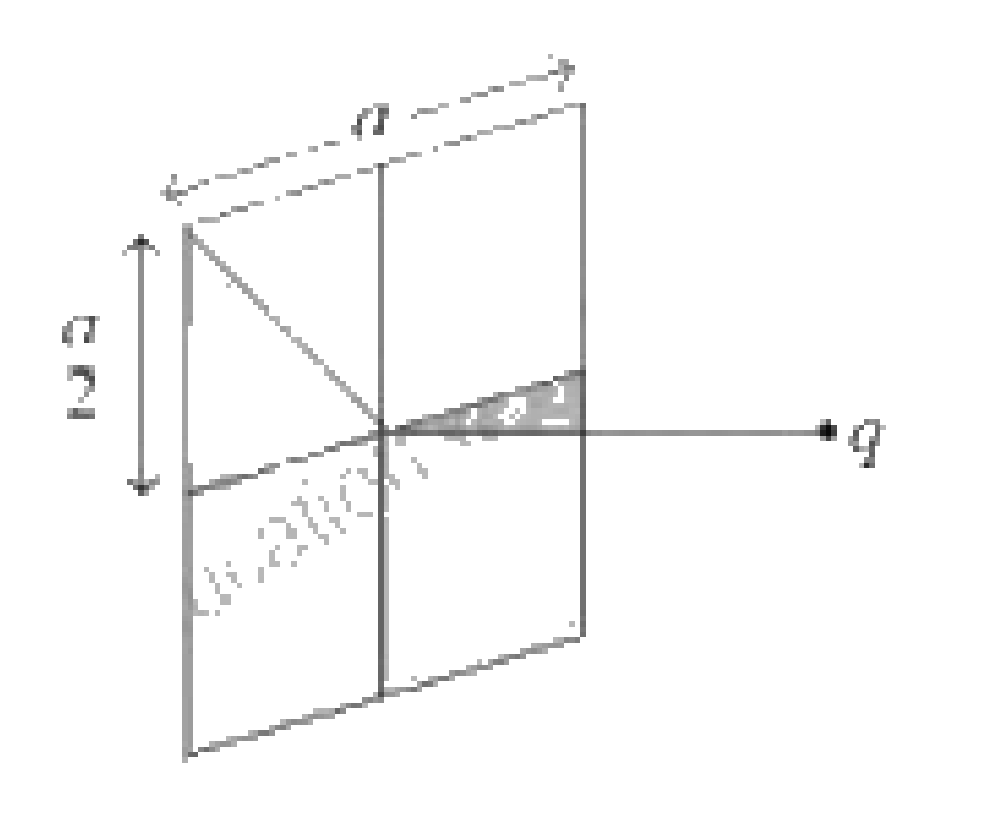
NumericalA square of side a=1 m is normal to the line from its centre to charge q=1 C, which is distance a/2 from its centre as shown. The shaded region covers five of the eight equal symmetric triangular sectors. Its flux magnitude is . Find p.
That's the preview. Sign in once and you'll come straight back to this set, with answers and worked solutions for all 36 questions.
Sign in free to practise all 36